
How to Address Transmission Repair Issues
When your car starts acting up, especially with shifting gears or strange noises, it can be stressful. Transmission problems are common but often misunderstood. I want to walk you through how to spot these issues early, what they mean, and how to handle them without feeling overwhelmed. Whether you drive a sedan, SUV, or truck, knowing the basics about car transmission issues can save you time, money, and frustration.
Recognizing Common Car Transmission Issues
Transmission problems don’t always announce themselves loudly. Sometimes, the signs are subtle. Here are some common symptoms to watch for:
Delayed or Slipping Gears: If your car hesitates before shifting or suddenly slips out of gear, it’s a red flag.
Strange Noises: Grinding, whining, or clunking sounds when shifting gears often indicate wear or damage.
Fluid Leaks: Transmission fluid is usually red or pink. Spotting puddles under your car could mean a leak.
Burning Smell: Overheated transmission fluid can smell burnt, signaling trouble.
Warning Lights: The check engine or transmission warning light might come on.
For example, I once noticed my car hesitated when shifting from first to second gear. It was subtle at first, but ignoring it made the problem worse. Catching it early helped me avoid a costly repair.

If you experience any of these symptoms, it’s best to get your vehicle checked sooner rather than later. Ignoring transmission issues can lead to more severe damage and higher repair costs.
What Causes Car Transmission Issues?
Understanding what causes transmission problems can help you prevent them. Here are some common causes:
Low or Dirty Transmission Fluid: Fluid lubricates and cools the transmission. Without enough clean fluid, parts wear out faster.
Wear and Tear: Over time, parts like gears and clutches degrade naturally.
Overheating: Excess heat can damage transmission components.
Driving Habits: Aggressive driving, towing heavy loads, or frequent stop-and-go traffic can strain the transmission.
Lack of Maintenance: Skipping regular fluid changes or inspections increases risk.
For instance, if you often drive in heavy traffic or tow trailers, your transmission works harder. Regular maintenance becomes even more critical in these cases.

Regularly checking your transmission fluid level and condition is a simple step you can take. If the fluid looks dark or smells burnt, it’s time for a change.
How much does a transmission repair cost?
One of the biggest concerns when facing transmission problems is the cost. Transmission repairs can vary widely depending on the issue and your vehicle type. Here’s a rough breakdown:
Minor Repairs: Fixing leaks, replacing seals, or adjusting bands might cost between $150 and $500.
Fluid Change or Flush: Typically ranges from $100 to $250.
Rebuild or Overhaul: This is more extensive and can cost between $1,000 and $3,000.
Replacement: A full transmission replacement can run from $2,500 to $5,000 or more.
Keep in mind, prices vary by location and shop. Getting a detailed estimate upfront helps avoid surprises.
If you want to avoid big expenses, early detection and maintenance are key. For example, a simple fluid change can prevent the need for a costly rebuild later.
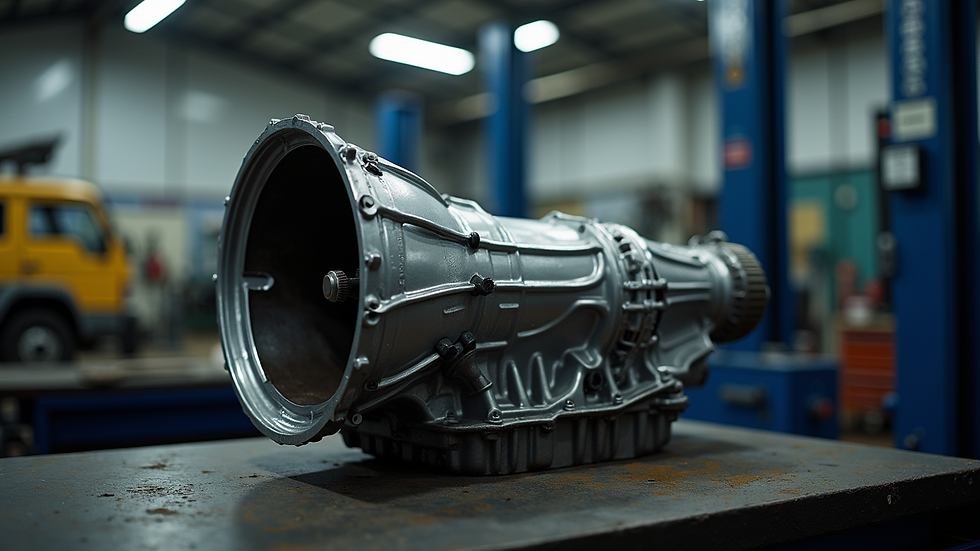
When you notice symptoms, don’t delay. Taking your car to a trusted repair shop can save you money and keep your vehicle running smoothly.
Steps to Take When You Suspect Transmission Problems
If you think your car has transmission issues, here’s what I recommend:
Check Transmission Fluid: Look for proper level and color.
Listen and Feel: Note any unusual noises or shifting behavior.
Avoid Driving Aggressively: Drive gently to prevent further damage.
Schedule a Professional Inspection: A certified mechanic can diagnose the problem accurately.
Ask for a Detailed Report: Understand what’s wrong and what repairs are needed.
For example, I once delayed a visit to the mechanic because the problem seemed minor. That ended up costing me more in the long run. Don’t make the same mistake.
If you’re looking for reliable help, consider transmission repair services from a trusted local shop. They can provide expert advice and quality service to get you back on the road quickly.
Preventing Future Transmission Problems
Prevention is always better than cure. Here are some practical tips to keep your transmission healthy:
Regular Fluid Checks and Changes: Follow your vehicle’s maintenance schedule.
Drive Smoothly: Avoid sudden starts and stops.
Don’t Overload Your Vehicle: Heavy loads strain the transmission.
Use the Correct Transmission Fluid: Check your owner’s manual.
Keep Cooling System in Good Shape: Overheating affects transmission health.
By adopting these habits, you can extend the life of your transmission and avoid unexpected breakdowns.
Taking care of your car’s transmission doesn’t have to be complicated. With a little attention and timely action, you can keep your vehicle shifting smoothly for years. Remember, when in doubt, reach out to professionals who can provide the right service and advice. Your car will thank you!



Comments